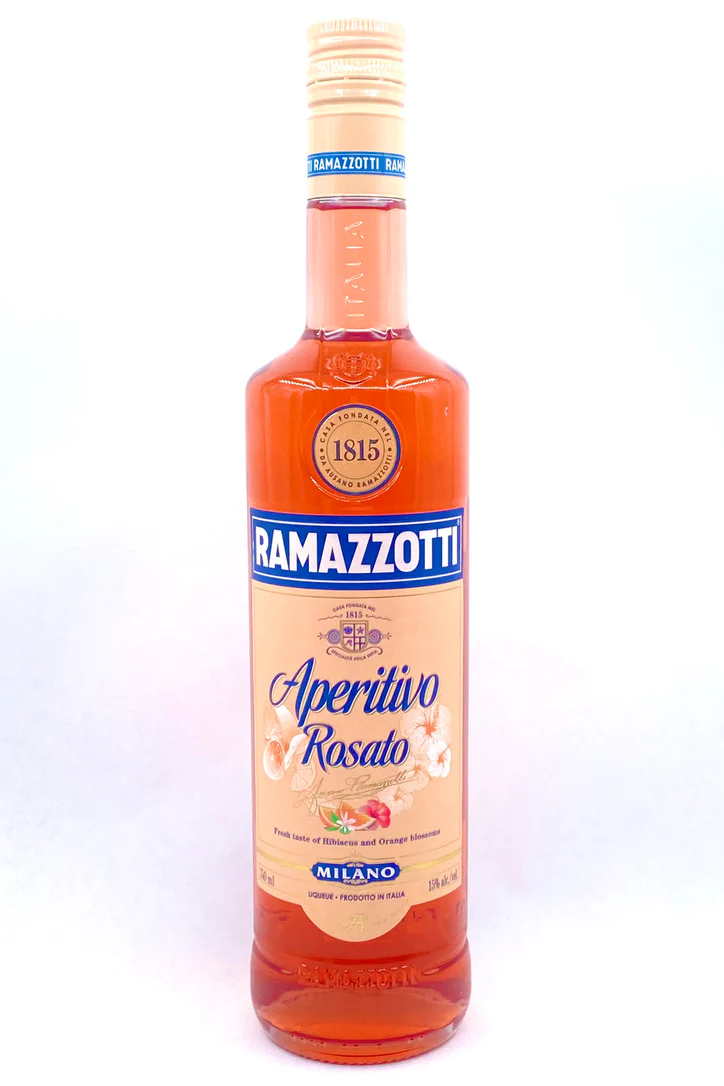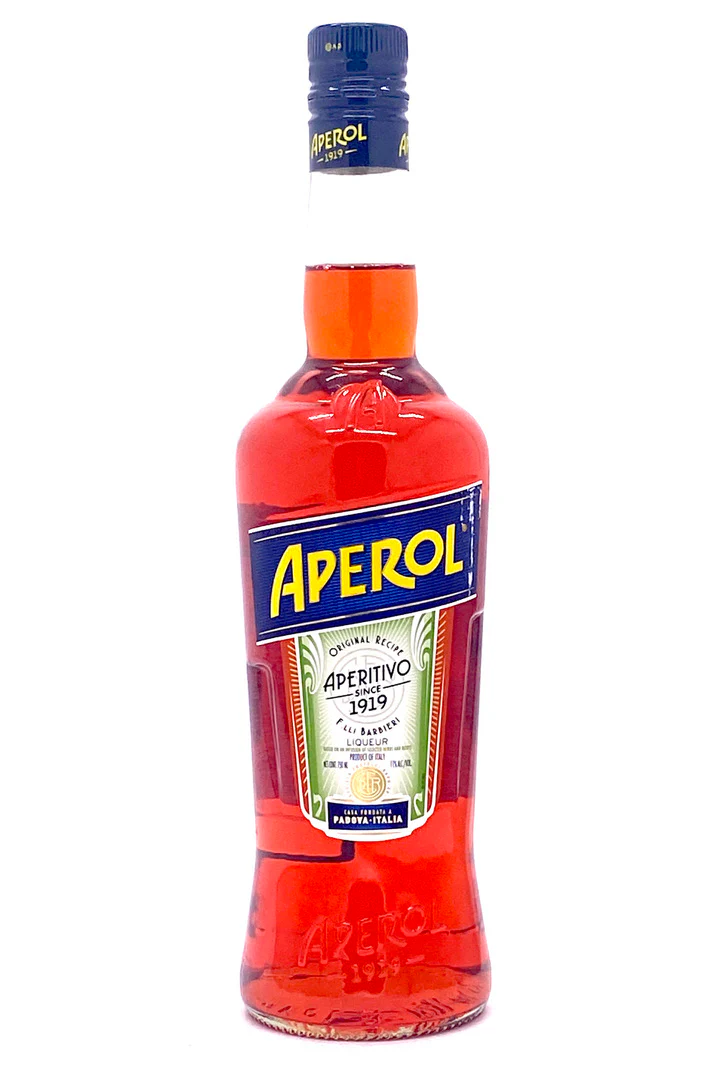
Aperol Aperitivo | Italian Bittersweet Aperitif | Padua, Italy | 11% ABV | 750ml
Few bottles have done more to define a global drinking ritual than Aperol. Created in 1919 by Luigi and Silvio Barbieri in Padua, Italy, it was designed from the outset to be something the spirits world largely lacked at the time: a genuinely light, approachable, appetite-stimulating aperitif that could be enjoyed by anyone, before anything, in any setting. Over a century later, that original vision has become one of the most successful spirits stories in modern history.
By 2023, volumes had surged to approximately 9.6 million cases, driven by a global shift toward low-ABV cocktails and the rise of aperitivo culture as a lifestyle signifier. Yet the liquid itself has never changed. The recipe remains unchanged since it was first created in 1919 — a secret infusion of 16 botanicals, anchored by bitter orange, gentian, cinchona bark, and Chinese rhubarb, delivering a bittersweet profile that is endlessly versatile and immediately recognizable.
At 11% ABV, Aperol sits in a category of its own — low enough to be sessionable across a long Italian-style aperitivo hour, complex enough to anchor serious cocktails, and visually unmistakable in its glowing sunset orange. This is the bottle that built the modern spritz culture. Every well-stocked bar, home or commercial, needs one.
Origins & Craftsmanship
The Barbieri Company was established in 1891 by Giuseppe Barbieri in Padua, Italy. Aperol was created in 1919 by his two sons, Luigi and Silvio, specifically for the Padua International Fair — a major international exhibition held in their hometown. Silvio named the product after apéro, the French slang for apéritif, encountered on a recent trip to Paris — a name that embedded its purpose directly into the brand identity from day one.
Aperol's unique flavor and orange color derive from a secret infusion of 16 ingredients, including bitter orange essence, gentian, cinchona bark (quinine), and Chinese rhubarb. The majority of herbs and roots used come from the Piedmont region of Northern Italy. The blend is macerated in neutral spirit to extract its botanical character, sweetened to balance the bitterness, and diluted to achieve its signature 11% ABV before a brief resting period allows the flavors to fully integrate. Aperol is now produced by the Campari Group, though production remains in Italy and the original recipe has never been modified.
The result is classified as an amaro leggero — a light bitter herbal liqueur — placing it in the distinguished Italian tradition of aperitivo bitters while occupying its own accessible, citrus-forward register within that category.
Tasting Profile
Nose Bright, sunny, and immediately inviting. Fresh orange peel dominates — a mix of sweet mandarin and bitter Seville — lifted by floral notes and a gentle herbal undercurrent. Rhubarb adds a faint tartness that keeps the nose lively and clean. Nothing heavy, nothing medicinal — the overall impression is of a well-tended Italian citrus garden in early summer.
Palate Light-bodied and refreshing, with a perfectly calibrated bittersweet balance. Sweet orange arrives first, followed quickly by the gentle bitterness of gentian root and the faint quinine note of cinchona bark. The rhubarb contributes a pleasant tartness mid-palate. There is a subtle herbal complexity beneath the citrus that rewards attention — layers of dried flowers, root botanicals, and a whisper of vanilla — without ever becoming heavy or demanding.
Finish Dry, clean, and appetite-stimulating — exactly as a great aperitivo should finish. The bitterness lingers pleasantly, encouraging the next sip and setting the table for food. Refreshing rather than cloying, with a final echo of orange peel and herbs.
Quick Overview
| Category | Details |
|---|---|
| ABV / Proof | 11% ABV / 22 Proof |
| Origin / Region | Padua, Veneto, Italy |
| Producer | Campari Group (Barbieri, est. 1891) |
| Base | Neutral spirit infused with 16 botanicals |
| Key Botanicals | Bitter orange, sweet orange, gentian root, cinchona bark (quinine), Chinese rhubarb |
| Style / Identity | Italian amaro leggero — light, bittersweet, citrus-forward aperitivo |
| Aromas & Flavors | Orange peel, rhubarb, gentian, dried flowers, vanilla, herbal bitters |
| Color | Luminous sunset orange |
| First Created | 1919 — recipe unchanged |
| Bottle Size | 750ml |
Serving & Occasion
The classic aperitivo ritual calls for Aperol served in a large wine glass over ice, topped with Prosecco and a splash of soda, garnished with a half-orange wheel. Beyond the spritz, Aperol rewards exploration — see cocktail suggestions below. Ideal for outdoor entertaining, warm-weather gatherings, brunch service, pre-dinner aperitivo hours, and as a lower-ABV option for guests who want something flavorful without the commitment of a full-proof cocktail. An essential and versatile back-bar staple.
Cocktail Suggestions
The Aperol Spritz (the classic) 3 parts Prosecco · 2 parts Aperol · 1 splash soda water. Build in a large wine glass over ice. Garnish with a half-orange wheel. The drink that launched a global aperitivo movement — still the definitive way to drink Aperol.
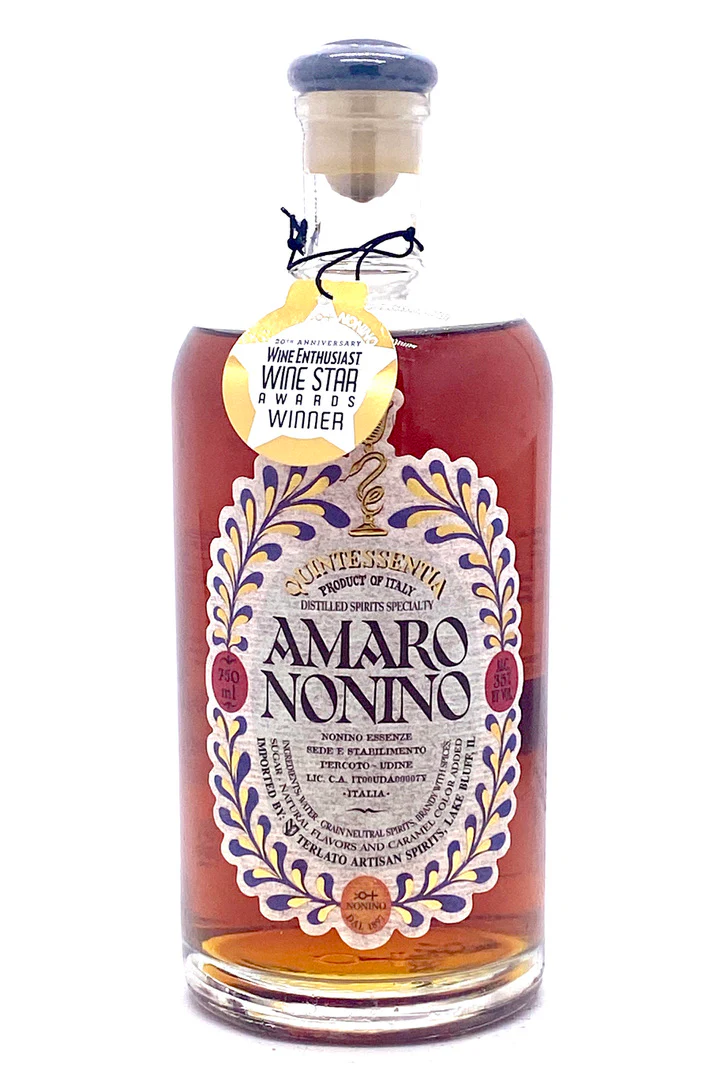
Paper Plane (the bartender's favorite) Equal parts Aperol · bourbon · Amaro Nonino · fresh lemon juice. Shaken hard, served up in a coupe. Created by bartender Sam Ross around 2007, the Paper Plane has become one of the most celebrated modern cocktail classics — a perfectly balanced four-way equal-parts drink where Aperol's bittersweet citrus anchors the whole structure.
Aperol Sour 2 parts Aperol · 1 part fresh lemon juice · ½ part simple syrup · optional egg white. Shaken vigorously, served over ice or up. The egg white version produces a striking orange-and-white foam — visually dramatic and deeply satisfying.
Negroni Sbagliato (the "mistaken Negroni") Equal parts Aperol · sweet vermouth · Prosecco. Built over ice in a rocks glass. A lighter, more effervescent cousin to the Negroni — legend holds it was invented when a Milanese bartender accidentally grabbed Prosecco instead of gin. A brilliant aperitivo in its own right.
Naked and Famous Equal parts Aperol · mezcal · Amaro Nonino · fresh lime juice. Shaken and served up. A smokier, more assertive sibling to the Paper Plane — mezcal's earthiness plays beautifully against Aperol's bright citrus bitterness.
"Neon orange may remind one of lava lamps, but there is no denying the appeal of the complex balance of herbs and citrus. The mid-palate shows a fair amount of sweetness, but the finish has a pleasant and stimulating bitterness." 93 Points, 2017 Ultimate Spirits Challenge
Product Information
Product Information
Shipping & Returns
Shipping & Returns
Description
Few bottles have done more to define a global drinking ritual than Aperol. Created in 1919 by Luigi and Silvio Barbieri in Padua, Italy, it was designed from the outset to be something the spirits world largely lacked at the time: a genuinely light, approachable, appetite-stimulating aperitif that could be enjoyed by anyone, before anything, in any setting. Over a century later, that original vision has become one of the most successful spirits stories in modern history.
By 2023, volumes had surged to approximately 9.6 million cases, driven by a global shift toward low-ABV cocktails and the rise of aperitivo culture as a lifestyle signifier. Yet the liquid itself has never changed. The recipe remains unchanged since it was first created in 1919 — a secret infusion of 16 botanicals, anchored by bitter orange, gentian, cinchona bark, and Chinese rhubarb, delivering a bittersweet profile that is endlessly versatile and immediately recognizable.
At 11% ABV, Aperol sits in a category of its own — low enough to be sessionable across a long Italian-style aperitivo hour, complex enough to anchor serious cocktails, and visually unmistakable in its glowing sunset orange. This is the bottle that built the modern spritz culture. Every well-stocked bar, home or commercial, needs one.
Origins & Craftsmanship
The Barbieri Company was established in 1891 by Giuseppe Barbieri in Padua, Italy. Aperol was created in 1919 by his two sons, Luigi and Silvio, specifically for the Padua International Fair — a major international exhibition held in their hometown. Silvio named the product after apéro, the French slang for apéritif, encountered on a recent trip to Paris — a name that embedded its purpose directly into the brand identity from day one.
Aperol's unique flavor and orange color derive from a secret infusion of 16 ingredients, including bitter orange essence, gentian, cinchona bark (quinine), and Chinese rhubarb. The majority of herbs and roots used come from the Piedmont region of Northern Italy. The blend is macerated in neutral spirit to extract its botanical character, sweetened to balance the bitterness, and diluted to achieve its signature 11% ABV before a brief resting period allows the flavors to fully integrate. Aperol is now produced by the Campari Group, though production remains in Italy and the original recipe has never been modified.
The result is classified as an amaro leggero — a light bitter herbal liqueur — placing it in the distinguished Italian tradition of aperitivo bitters while occupying its own accessible, citrus-forward register within that category.
Tasting Profile
Nose Bright, sunny, and immediately inviting. Fresh orange peel dominates — a mix of sweet mandarin and bitter Seville — lifted by floral notes and a gentle herbal undercurrent. Rhubarb adds a faint tartness that keeps the nose lively and clean. Nothing heavy, nothing medicinal — the overall impression is of a well-tended Italian citrus garden in early summer.
Palate Light-bodied and refreshing, with a perfectly calibrated bittersweet balance. Sweet orange arrives first, followed quickly by the gentle bitterness of gentian root and the faint quinine note of cinchona bark. The rhubarb contributes a pleasant tartness mid-palate. There is a subtle herbal complexity beneath the citrus that rewards attention — layers of dried flowers, root botanicals, and a whisper of vanilla — without ever becoming heavy or demanding.
Finish Dry, clean, and appetite-stimulating — exactly as a great aperitivo should finish. The bitterness lingers pleasantly, encouraging the next sip and setting the table for food. Refreshing rather than cloying, with a final echo of orange peel and herbs.
Quick Overview
| Category | Details |
|---|---|
| ABV / Proof | 11% ABV / 22 Proof |
| Origin / Region | Padua, Veneto, Italy |
| Producer | Campari Group (Barbieri, est. 1891) |
| Base | Neutral spirit infused with 16 botanicals |
| Key Botanicals | Bitter orange, sweet orange, gentian root, cinchona bark (quinine), Chinese rhubarb |
| Style / Identity | Italian amaro leggero — light, bittersweet, citrus-forward aperitivo |
| Aromas & Flavors | Orange peel, rhubarb, gentian, dried flowers, vanilla, herbal bitters |
| Color | Luminous sunset orange |
| First Created | 1919 — recipe unchanged |
| Bottle Size | 750ml |
Serving & Occasion
The classic aperitivo ritual calls for Aperol served in a large wine glass over ice, topped with Prosecco and a splash of soda, garnished with a half-orange wheel. Beyond the spritz, Aperol rewards exploration — see cocktail suggestions below. Ideal for outdoor entertaining, warm-weather gatherings, brunch service, pre-dinner aperitivo hours, and as a lower-ABV option for guests who want something flavorful without the commitment of a full-proof cocktail. An essential and versatile back-bar staple.
Cocktail Suggestions
The Aperol Spritz (the classic) 3 parts Prosecco · 2 parts Aperol · 1 splash soda water. Build in a large wine glass over ice. Garnish with a half-orange wheel. The drink that launched a global aperitivo movement — still the definitive way to drink Aperol.
Paper Plane (the bartender's favorite) Equal parts Aperol · bourbon · Amaro Nonino · fresh lemon juice. Shaken hard, served up in a coupe. Created by bartender Sam Ross around 2007, the Paper Plane has become one of the most celebrated modern cocktail classics — a perfectly balanced four-way equal-parts drink where Aperol's bittersweet citrus anchors the whole structure.
Aperol Sour 2 parts Aperol · 1 part fresh lemon juice · ½ part simple syrup · optional egg white. Shaken vigorously, served over ice or up. The egg white version produces a striking orange-and-white foam — visually dramatic and deeply satisfying.
Negroni Sbagliato (the "mistaken Negroni") Equal parts Aperol · sweet vermouth · Prosecco. Built over ice in a rocks glass. A lighter, more effervescent cousin to the Negroni — legend holds it was invented when a Milanese bartender accidentally grabbed Prosecco instead of gin. A brilliant aperitivo in its own right.
Naked and Famous Equal parts Aperol · mezcal · Amaro Nonino · fresh lime juice. Shaken and served up. A smokier, more assertive sibling to the Paper Plane — mezcal's earthiness plays beautifully against Aperol's bright citrus bitterness.
"Neon orange may remind one of lava lamps, but there is no denying the appeal of the complex balance of herbs and citrus. The mid-palate shows a fair amount of sweetness, but the finish has a pleasant and stimulating bitterness." 93 Points, 2017 Ultimate Spirits Challenge